




Smith observes that interests in religion and weird literature are related. In both cases, suspension of disbelief is conducive to the pursuit of understanding.
An obvious point, of course, but how does thinking along these lines influence our understanding of the ways we read the Bible, Milton, St. Augustine, Luther, Calvin, and so on?
Moreover, how does this influence our understanding of Locke and Newton, and, therefore, our understanding of modernity?
Source.

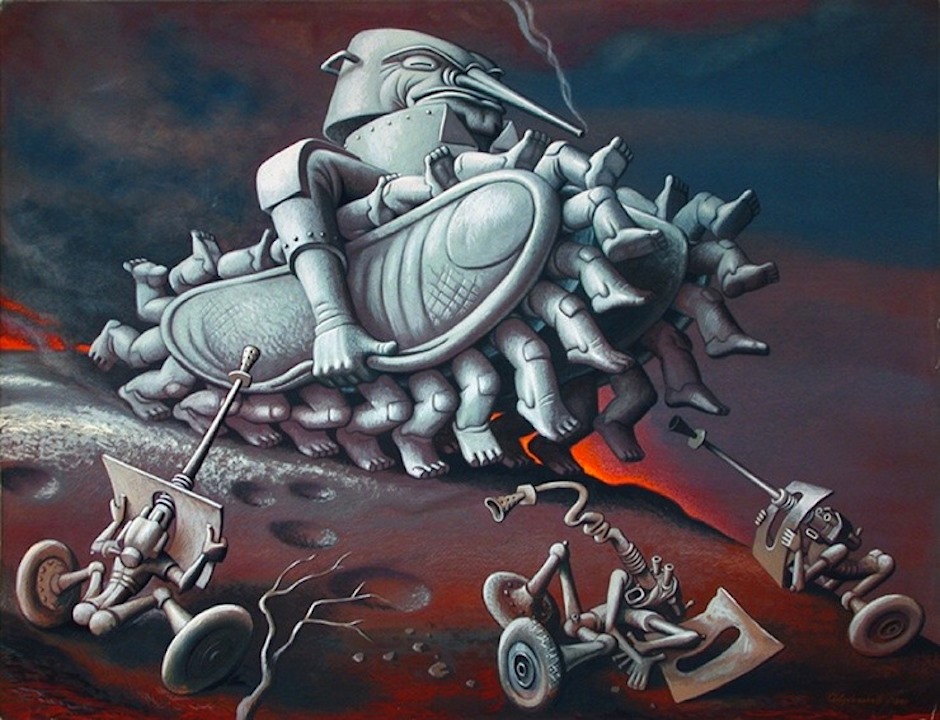
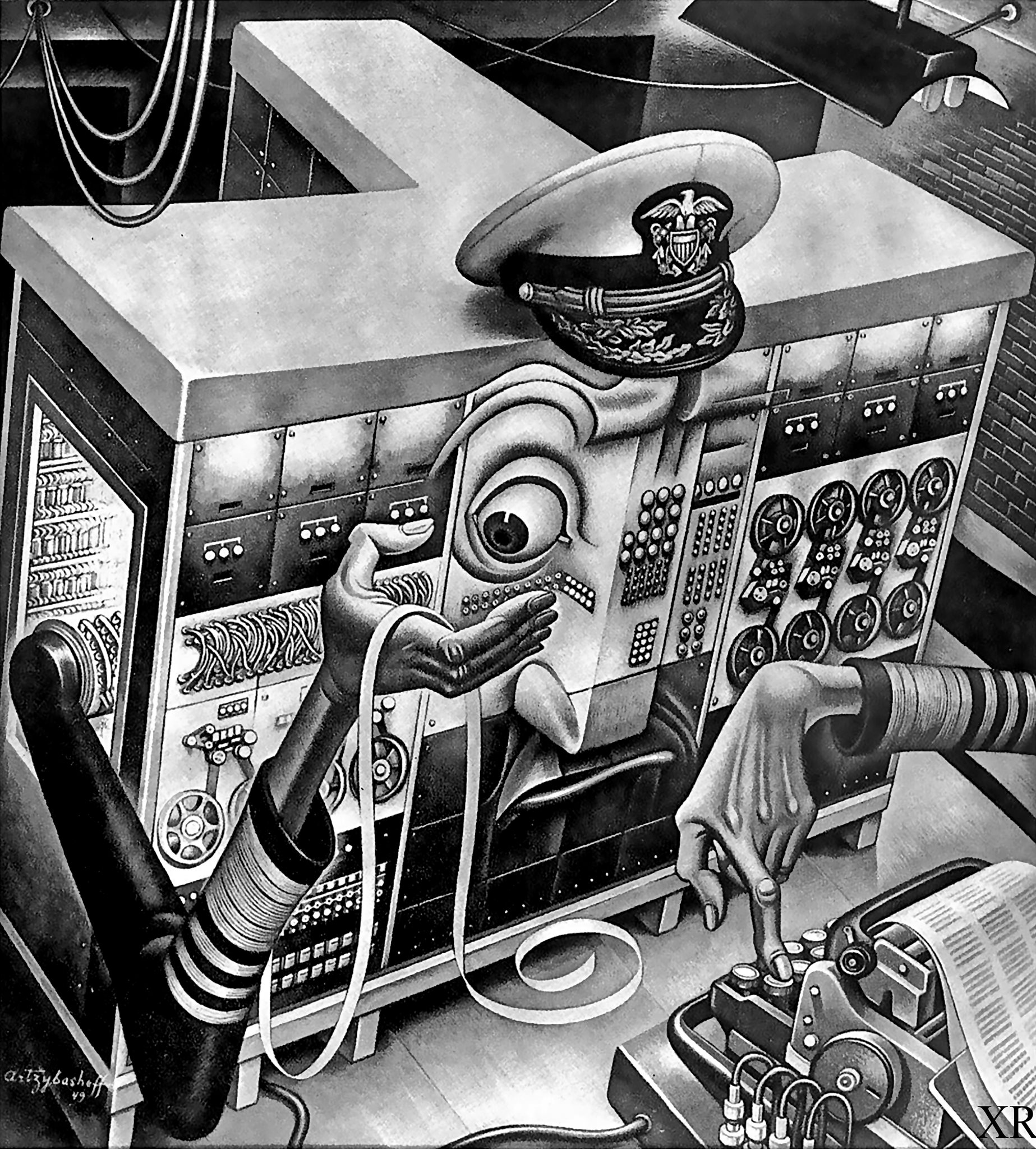
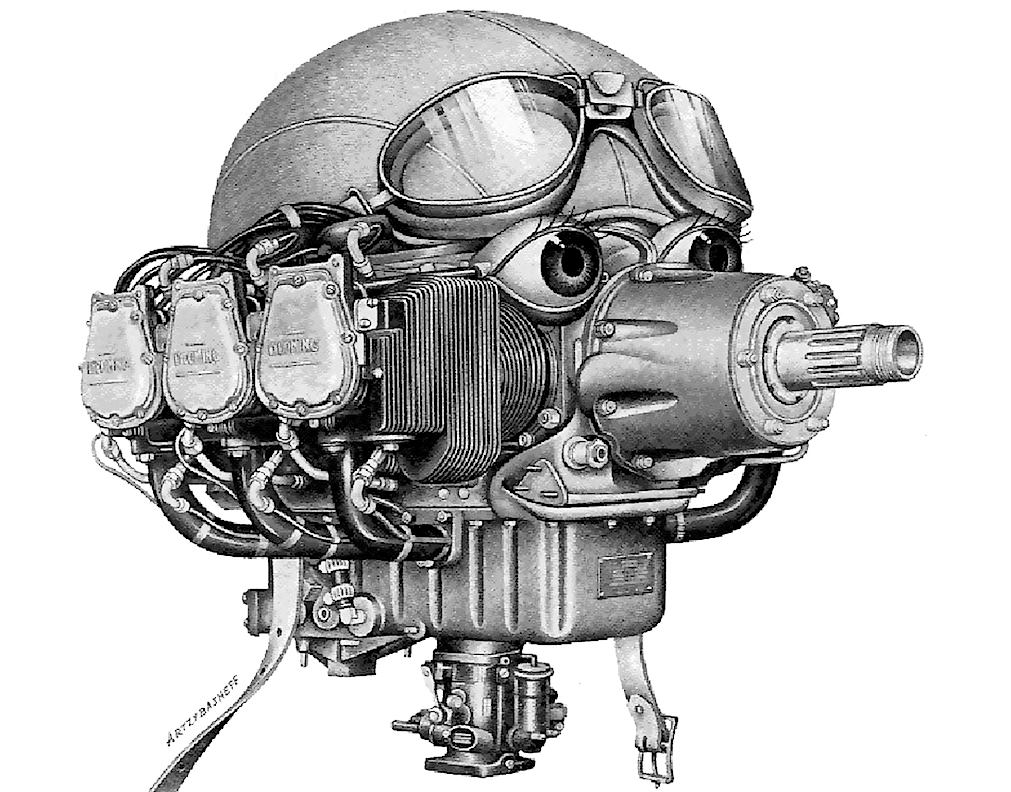
In the old days, we built machines as a measure against technocracy, but then the machines--or rather the revenue streams created to build and operate the machines--took over.
Horace Jeffery Hodges' Extra Pound: The Limericks is now in the proof stage. Slim, clever volume. It should be available in two or three weeks.
"I have read in Plato and Cicero sayings that are wise and very beautiful; but I have never read in either of them: 'Come unto me all ye that labor and are heavy laden.'"
 |
| Augustine of Hippo by Caravaggio |
If you have a garden and a library you have everything you need.
- Marcus Tullius Cicero
From Sir Isaac Newton’s Principia:
Hitherto we have explained the phenomena of the heavens and of our sea by the power of gravity, but have not yet assigned the cause of this power … I have not been able to discover the cause of those properties of gravity from phenomena, and I frame no hypotheses [hypotheses non fingo]; for whatever is not deduced from the phenomena is to be called an hypothesis; and hypotheses, whether metaphysical or physical, whether of occult qualities or mechanical, have no place in experimental philosophy … To us it is enough that gravity does really exist, and acts according to the laws which we have explained, and abundantly serves to account for all the motions of the celestial bodies, and of our sea.
Compare Heinrich Hertz on “force” and “electricity”:
Our confused wish finds expression in the confused question as to the nature of force and electricity. But the answer which we want is not really an answer to this question. It is not by finding out more and fresh relations and connections that it can be answered; but by removing the contradictions existing between those already known, and thus perhaps by reducing their number. When these painful contradictions are removed, the question as to the nature of force will not have been answered; but our minds, no longer vexed, will cease to ask illegitimate questions.